Chaînes byzantines en argent sterling ou en or : laquelle vous convient le mieux ?
Partager
1. Introduction
2. Aperçu rapide : argent sterling 925 vs or
- 92,5 % d'argent pur, 7,5 % d'autres métaux (souvent du cuivre).
- Métal blanc brillant à la tonalité froide.
- Un prix plus accessible pour une chaîne byzantine de renom.
- Peut se ternir avec le temps, mais se nettoie facilement.
- Alliage d'or pur avec d'autres métaux ; le carat définit la teneur en or.
- Teinte jaune chaude (ou autres couleurs, mais ici nous nous concentrons sur le jaune).
- Valeur intrinsèque plus élevée par gramme.
- Ne ternit pas comme l'argent, mais peut présenter des signes d'usure en surface avec le temps.
3. Leurs différences de couleur et d'aspect général
- Donne un propre, moderne, presque technique Regardez une chaîne byzantine.
- Le motif est très net grâce à la tonalité claire et froide.
- S'accorde parfaitement avec les tenues neutres et monochromes, ainsi qu'avec les montres en acier.
- Se lit immédiatement comme luxe et héritage , notamment en or 14 et 18 carats.
- La couleur chaude donne au motif byzantin un aspect plus riche et plus profond.
- Il se distingue davantage dans la pièce, surtout sous un éclairage chaud.
4. Poids et sensation sur le cou
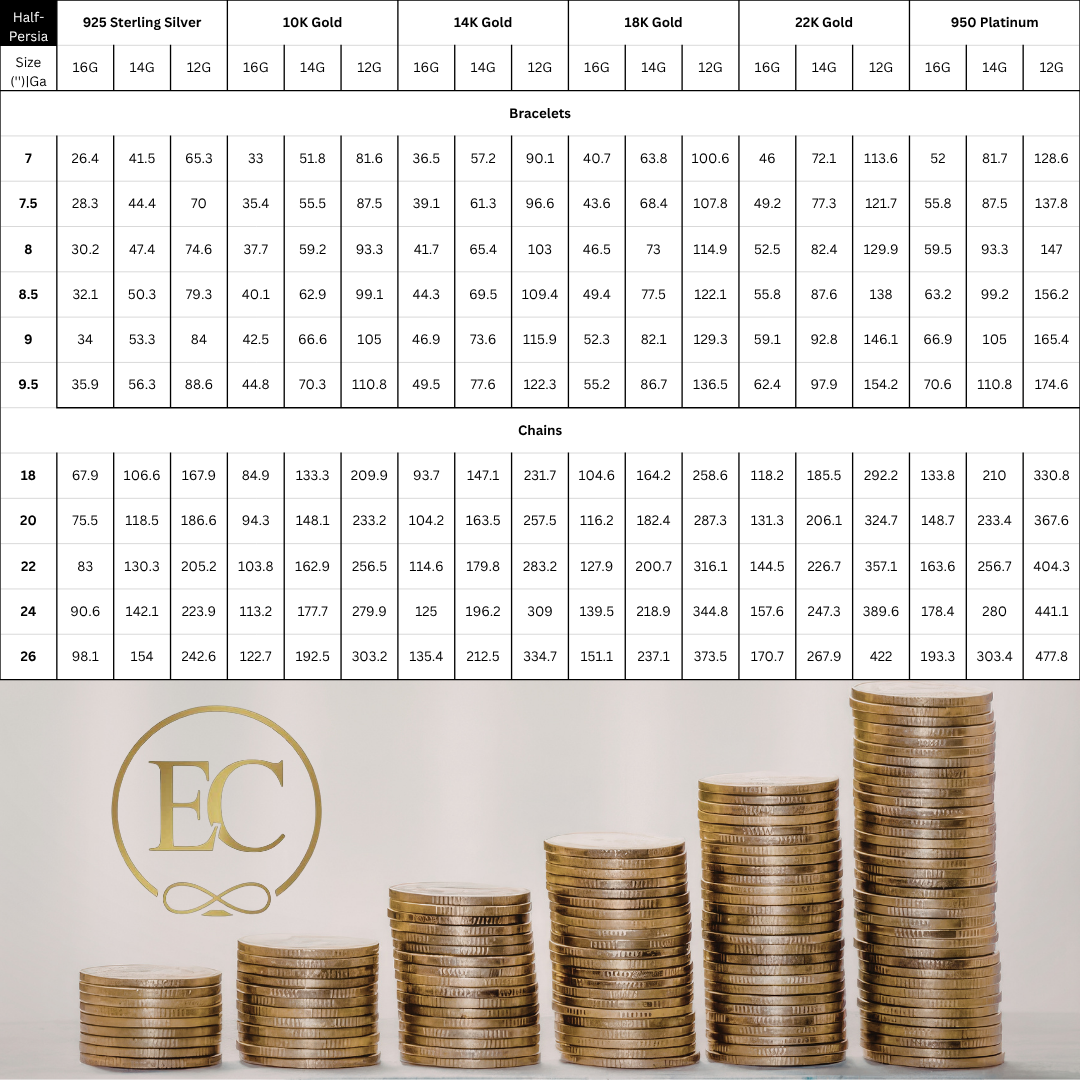
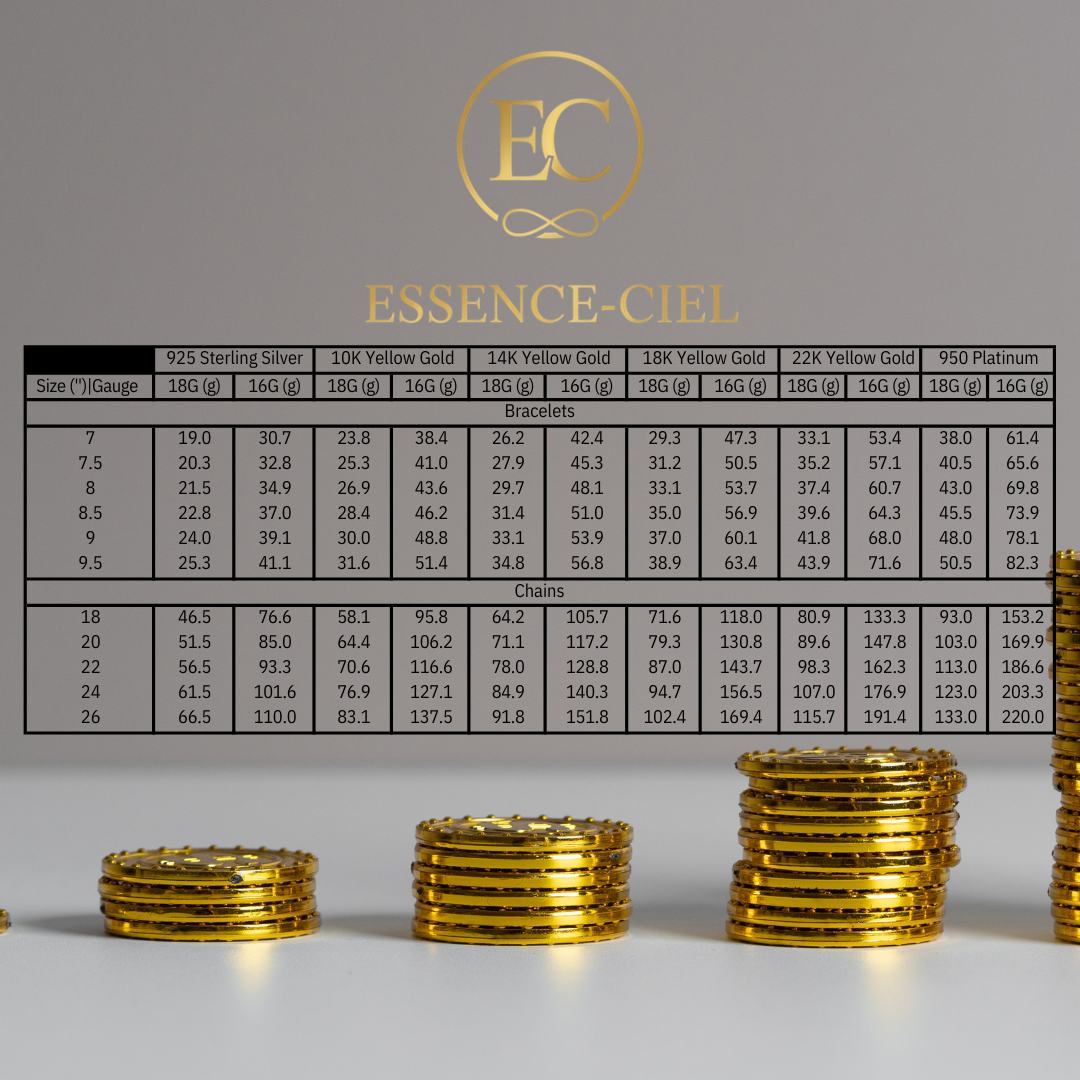
- Une chaîne byzantine en or aura généralement une sensation au toucher. plus lourd qu'une pièce en argent de même taille.
- Ce poids supplémentaire peut être très satisfaisant pour certains clients, et excessif pour d'autres.
- Permet d'obtenir un look imposant et audacieux avec un poids légèrement inférieur.
- Idéal si vous aimez la présence mais ne voulez pas d'une chaîne qui vous paraisse lourde toute la journée.
- Insistez sur le caractère « sérieux » de l’objet.
- C'est encore mieux si vous appréciez la sensation de la chaîne comme une présence constante et rassurante.
5. Durabilité, usure et entretien
- Assez solide pour un usage quotidien, avec une confection de style byzantin de qualité.
- Peut se ternir (foncer) avec le temps, surtout avec l'humidité, la transpiration ou certains produits chimiques.
- Le ternissement est principalement un phénomène de surface et peut être nettoyé avec les méthodes appropriées.
- Ne ternit pas comme l'argent, mais peut présenter des rayures et de petites marques avec le temps.
- Les carats inférieurs (10k, 14k) sont plus durs et plus résistants que le 18k.
- Parfaitement adapté à un usage quotidien si le carat et l'épaisseur sont correctement choisis.
6. Considérations relatives au prix et au budget
-
argent massif
- Bien plus accessible par gramme.
- Vous permet d'explorer des chaînes plus épaisses ou plus longues à un prix inférieur.
- Un excellent point d'entrée dans le monde des pièces byzantines de qualité.
-
Or (10k/14k/18k)
- Valeur intrinsèque plus élevée ; le prix augmente rapidement avec la longueur et l'épaisseur.
- Il vaut mieux considérer la chaîne comme une réserve de valeur à long terme ainsi qu'un bijou.
7. Style et mode de vie : à qui s'adresse l'argent, à qui s'adresse l'or ?
L'argent sterling est souvent le bon choix si vous :
-
Préférez un cool, moderne, technique regarder.
-
Portez beaucoup d'acier inoxydable (montres, bracelets, bagues).
-
Vous souhaitez une chaîne byzantine de qualité à un prix plus abordable ?
-
J'aime l'idée d'un vêtement de tous les jours qui ne vous préoccupe pas trop.
L'or est souvent judicieux si vous :
-
Vous voulez que votre chaîne se lise clairement comme Haute joaillerie / luxe .
-
Considérez l'œuvre comme un investissement à long terme ou objet patrimonial .
-
Acceptent un poids plus élevé et un prix plus élevé.
-
Je préfère les tons chauds et je porte déjà des bagues, des bracelets ou des montres en or.
8. Comment nous aidons nos clients à choisir chez Essence-Ciel
- Votre budget et votre perception du rapport prix/valeur à long terme.
- Votre garde-robe et les métaux que vous portez déjà.
- Votre tolérance au poids et la fréquence à laquelle vous prévoyez de porter la chaîne.
- L'argent est idéal pour une première chaîne byzantine sérieuse ou pour les clients qui recherchent une présence maximale pour un dollar dépensé.
- Or (10k/14k/18k) pour les clients prêts à passer à l'étape suivante pièce maîtresse qui allie présence et valeur intrinsèque.
9. Conclusion + CTA
L'argent massif comme l'or permettent de réaliser des chaînes byzantines exceptionnelles ; le choix idéal dépend de votre style de vie, de vos goûts vestimentaires et de votre conception de la valeur. L'argent offre une manière moderne et accessible d'apprécier la richesse d'une structure byzantine ; l'or, quant à lui, transforme cette même structure en une affirmation assumée de luxe et d'engagement à long terme.
Si vous hésitez entre l'argent et l'or pour votre chaîne byzantine, nous serons ravis de passer en revue les métaux, les dimensions et votre budget avec vous et de vous recommander une configuration qui corresponde à votre réalité, et pas seulement à la tendance du moment.
Découvrez nos pièces byzantines artisanales :
Lien vers notre Chaîne/ bracelet byzantin en argent massif